
New Haven Auto Accident Attorney · June 19, 2026
Connecticut Memorial Day Weekend Crash Numbers: What To Do After A Holiday Accident
Connecticut State Police reported 296 crashes over Memorial Day weekend 2026. If you were injured in a holiday crash, the days after the accident can be critical to protecting your health and your claim.
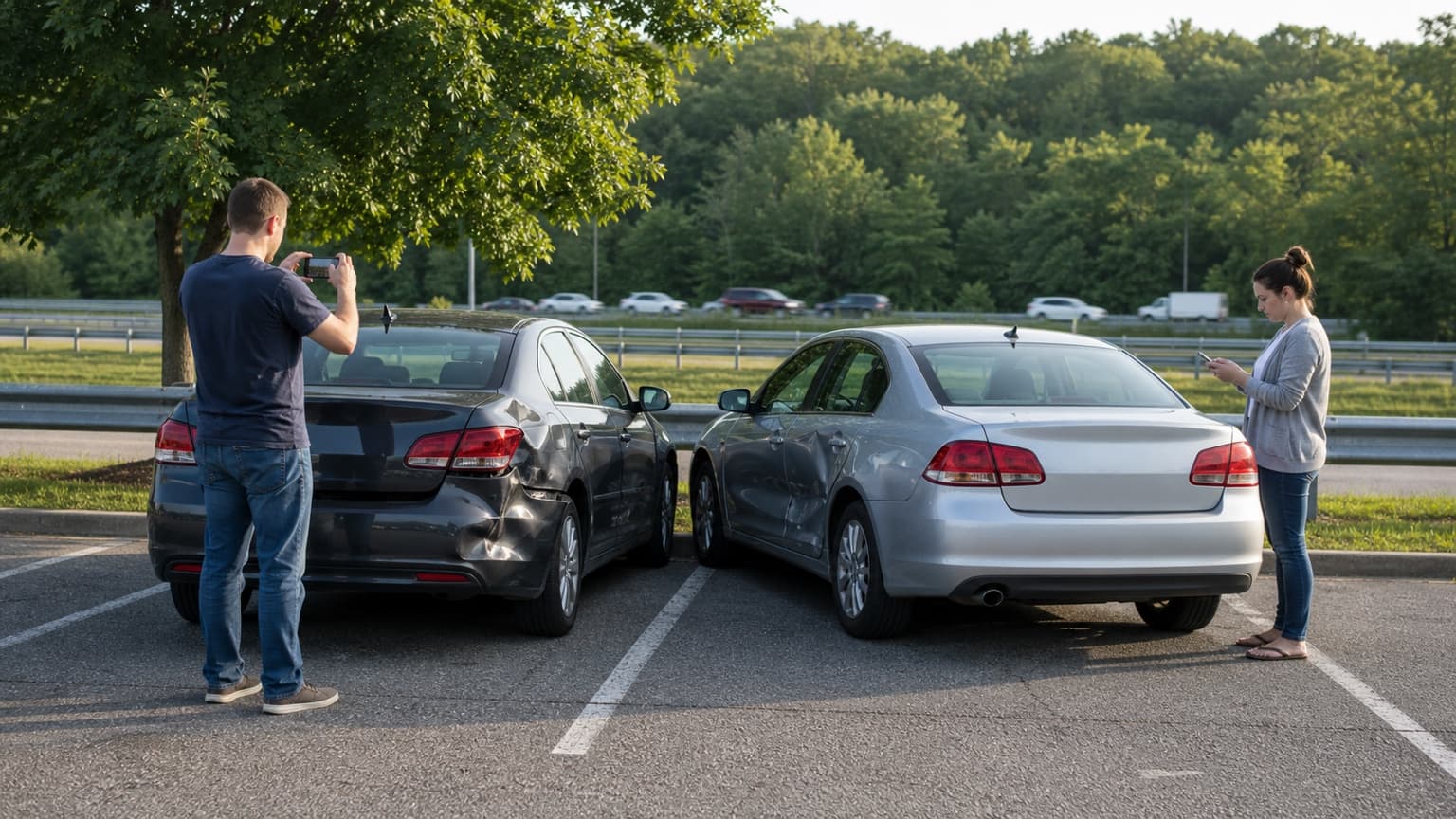
Connecticut State Police responded to 296 crashes over Memorial Day weekend. Behind that total were drivers, passengers, and families dealing with the immediate aftermath of a crash.
A holiday crash can mean emergency medical care, missed work, vehicle damage, insurance calls, and a lot of uncertainty. It can also raise questions that do not always have easy answers. Who caused the crash? What if the other driver was arrested for driving while under the influence of alcohol or drugs? What if your symptoms did not show up until the next day?
If you were hurt in an auto accident in New Haven during Memorial Day weekend or another busy travel period, the first few days after the crash can matter. Medical care, documentation, and timing can shape how your claim is handled by your insurer, the other driver's insurer, and anyone else who reviews your file.
Do Not Assume You Are Fine Because You Walked Away
After a crash, adrenaline can hide pain. Many people feel shaken up at the scene but do not realize they are injured until later that night or the next morning. Neck pain, back pain, headaches, dizziness, numbness, stiffness, and trouble sleeping can all appear after the initial shock wears off.
This is especially common in rear-end crashes, side-impact collisions, motorcycle crashes, and multi-car accidents. Soft tissue injuries and concussions are not always obvious immediately. If symptoms appear or worsen, seek medical attention and be clear with your provider that the symptoms began after the crash.
Medical documentation matters for two reasons. First, it helps protect your health. Second, it creates a record connecting your injuries to the accident. Insurance companies often look closely at delays in treatment and may argue that later-reported symptoms were not caused by the crash.
The Police Report Is Only The Starting Point
For many accident claims, the police report is one of the first documents reviewed by insurance companies and attorneys. It may include the date, location, parties involved, witnesses, road conditions, citations, and the officer's initial observations.
After a holiday weekend, reports may take several days to become available, especially if the crash involved injuries, multiple vehicles, or an arrest. Once you obtain the report, review it carefully. Make sure the names, insurance information, vehicle descriptions, and basic location are accurate.
The police report does not decide the entire case. It is not the final word on fault. It can, however, shape the early insurance response, especially if it identifies witnesses, notes a citation, or references an arrest for driving while under the influence of alcohol or drugs.
If there are mistakes or missing details, additional documentation may be needed.
Preserve Evidence Before It Disappears
Accident evidence can vanish quickly. Skid marks fade. Vehicles are repaired or moved to salvage yards. Surveillance footage may be overwritten within days. Witnesses become harder to locate.
If you are physically able, preserve what you can:
- Photos of all vehicles involved
- Photos of the accident location
- Pictures of debris, traffic signals, weather conditions, and road markings
- Names and phone numbers for witnesses
- Insurance and license information for all drivers
- Screenshots of rideshare, delivery, or navigation data if relevant
- Medical discharge papers and follow-up instructions
If the crash happened near a business, intersection, apartment complex, gas station, or parking lot, there may be camera footage. The sooner that evidence is preserved, the better.
Let A Lawyer Handle The Insurance Company
A holiday crash does not end when the cars are towed away. In many cases, that is when insurance companies start asking questions. Adjusters often call quickly, sometimes within a day or two of the crash. They may sound helpful. Some are. Their job, though, is still to evaluate the claim for the insurance company.
You should report the accident to your own insurer. Your policy requires it, and prompt notice protects your own coverage, including any uninsured or underinsured motorist benefits. Before giving a recorded statement or signing anything, though, it is better to speak with a lawyer who can handle those conversations for you. This is especially true if you are still treating, still in pain, or do not yet know the full extent of your injuries.
An early settlement may not account for later visits, physical therapy, missed work, future care, or symptoms that develop after the first few days. Once you sign a release, you give up the right to pursue any further recovery.
A DUI Or OUI Arrest May Matter, But It Does Not End The Claim
Connecticut State Police reported 20 arrests for operating under the influence (OUI), Connecticut's legal term for what many people call DUI or drunk driving, during the Memorial Day weekend enforcement period. If the other driver in your crash was arrested for OUI, that fact may become important in your personal injury claim.
It is important to understand, however, that a criminal case and a civil injury claim are separate. Evidence from the arrest may help show negligence, but it does not automatically resolve every issue. The insurance company may still dispute the severity of your injuries, the amount of your medical bills, or whether every claimed loss was caused by the crash.
That is why it can help to have an attorney review the police report, track the criminal case, preserve crash evidence, and deal with the insurance company while your injury claim is still developing.
Holiday Crashes Can Involve More Than One Source Of Insurance
Holiday traffic on I-95 and I-91 brings more out-of-state drivers, rental cars, and shoreline travelers through the New Haven area — along with borrowed vehicles, motorcycles, rideshare drivers, and cars full of family or friends. Those facts can make insurance coverage more complicated.
Depending on the circumstances, coverage may come from:
- The at-fault driver's liability insurance
- The vehicle owner's insurance
- Your own uninsured or underinsured motorist coverage
- A household family member's policy
- A rideshare or commercial policy
- Medical payments coverage, if available
Identifying every possible layer of coverage can matter, particularly when injuries are serious or the at-fault driver does not carry enough insurance.
How Long Do You Have To File A Claim In Connecticut?
Connecticut generally requires a personal injury lawsuit to be filed within two years from when the injury is first sustained or discovered, or should have been discovered with reasonable care. Connecticut law also sets an outer limit: in most cases, no lawsuit may be brought more than three years after the act or omission that caused the injury.
Two years can feel like a long time, but medical treatment, insurance negotiations, and investigation can move slowly. It is usually better to understand the deadline early than to assume there is plenty of time.
Do Not Let The Claim Get Away From You
The days after a crash can be stressful. You may be trying to get your car repaired, schedule medical appointments, manage pain, and handle insurance calls all at the same time.
That is exactly when important details can get missed.
An attorney can help gather evidence, review the police report, communicate with insurers, identify available coverage, and protect your claim while you focus on recovery. Getting help early gives you the best chance of protecting yourself and your claim.
If you or a loved one was injured in an auto accident in New Haven, along the shoreline, or elsewhere in Connecticut over Memorial Day weekend or during another busy travel period, contact our office for a free consultation. We can review what happened, explain your options, and help you take the next steps.
Frequently Asked Questions
- What should I do first after a crash?
Get medical care, even if you only feel shaken up. If you are able, document the scene, keep the police report information, and report the crash to your own insurer as your policy requires. Do not give a recorded statement to any insurance company or accept an early settlement before speaking with a lawyer. An attorney can handle those communications while your injuries, treatment, and costs are still developing.
- The other driver was arrested for DUI or OUI. Does that mean I automatically win?
No. A criminal OUI (operating under the influence) case and your civil injury claim are separate. The arrest may help show the other driver was negligent, but the insurance company can still dispute your injuries, your medical bills, or whether the crash caused every loss you claim. The arrest can be important evidence, but your injury claim still depends on proof of what happened, how you were hurt, and what losses were caused by the crash.
- What if the at-fault driver does not have enough insurance?
You may still have coverage. Connecticut auto policies are required to include uninsured and underinsured motorist coverage, which can apply when the at-fault driver has no insurance or not enough to cover your injuries. Other policies, such as a household family member's coverage or a rideshare policy, may also come into play.
- Can I still recover if the crash was partly my fault?
In some cases, yes. Connecticut follows a modified comparative negligence rule. In general, an injured person can still recover if they were not more than 50 percent at fault, although the recovery may be reduced by their share of fault. If a person is found more than 50 percent at fault, recovery may be barred entirely.
- Do I need a lawyer after a car accident?
Serious crashes often involve disputed fault, multiple insurance policies, and injuries that are worse than they first appear. A lawyer can investigate the crash, identify the available coverage, deal with the insurers, and protect your claim while you focus on recovering. Our office offers a free consultation, and personal injury cases are generally handled on a contingency-fee basis, meaning you pay no attorney's fee unless we recover compensation for you.
This article provides general information, not legal advice for a particular case. Reading it does not create an attorney-client relationship.