
New Haven Criminal Defense Attorney · September 15, 2026
Connecticut DUI Test Results: What Changed October 1, 2026
Connecticut changed a DUI test-result delivery rule on October 1, 2026. Learn what changed for blood and urine results, what remains for breath tests, and which records to keep.
Update, October 1, 2026: This article was first published on September 15, 2026, before the changes it describes took effect, and has been revised to reflect the law now in effect.
Connecticut has changed a rule about how quickly a DUI test report must be sent to the person tested. Under an amendment effective October 1, 2026, the delivery condition in C.G.S. § 14-227a(b)(2) applies only to breath tests. Blood and urine results are no longer subject to that particular condition under the amended provision.
Connecticut law uses the term operating under the influence, or OUI, for what many people call DUI. For someone waiting on a laboratory report after an OUI arrest in New Haven, the distinction between tests matters. A delay in receiving the report does not, by itself, tell you whether the result can be used in court or whether the charge will survive. You need to know which test was performed, when the result became known, and which version of the law applies to your case.
What The Delivery Rule Requires
Public Act 26-45, § 2 changed one of the conditions for admitting chemical test results in an OUI prosecution under § 14-227a(b). Admitting evidence means allowing the judge or jury to consider it in the case.
The earlier condition referred to the report of the test result without limiting it to a breath test. The amended language, effective October 1, 2026, adds that limitation. For a breath test, a true copy of the report must be mailed or personally delivered within 24 hours, or by the end of the next regular business day after the result becomes known, whichever is later.
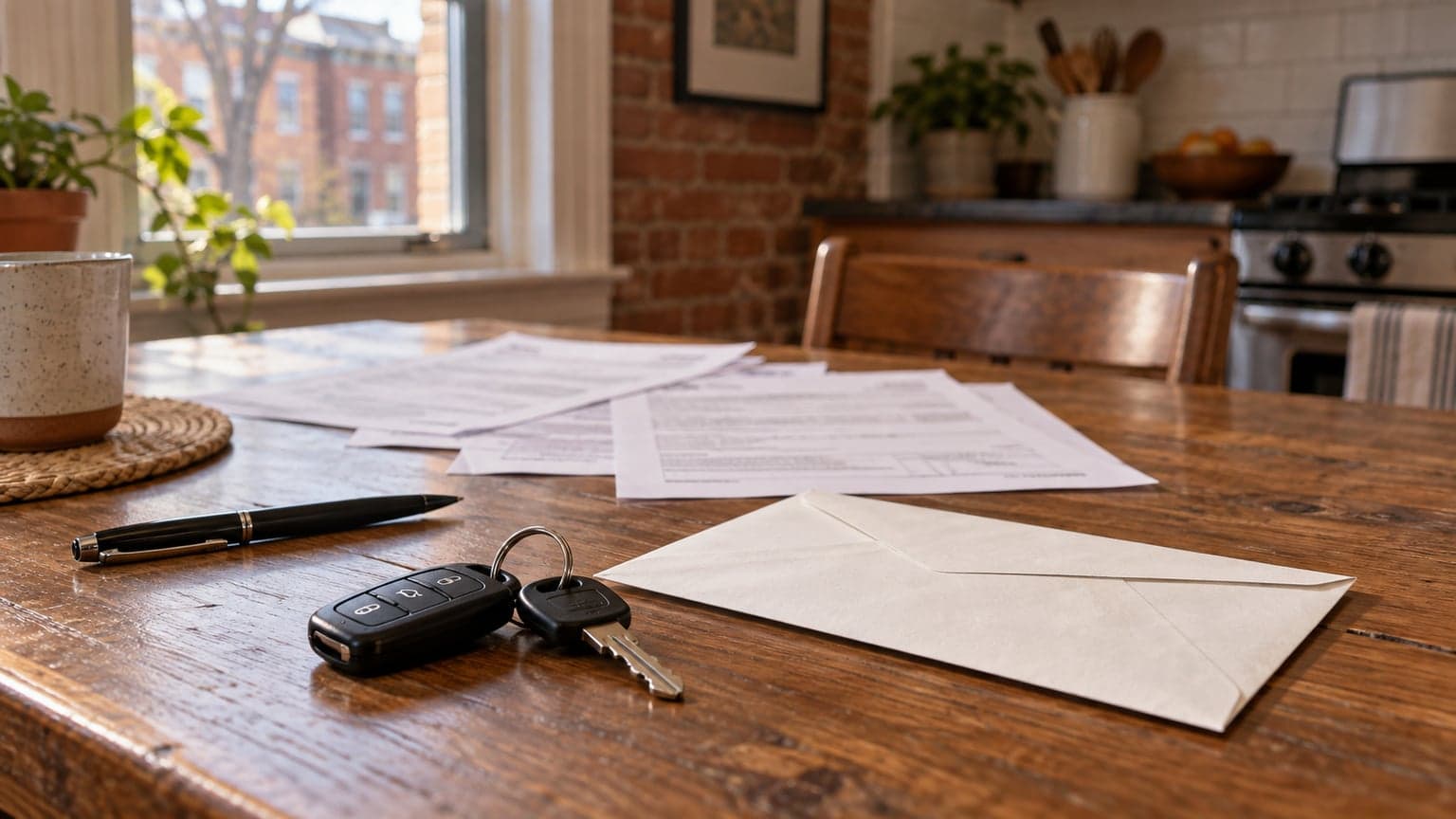
That clock runs from when the result is known. It is not a requirement that a laboratory complete blood or urine testing within a day of your arrest. Mailing the report and receiving it are also different events. Keep the envelope as well as the report; a postmark may help establish when it was sent.
A Blood Or Urine Result Still Needs Review
Removing the delivery condition for blood and urine results does not remove all the other requirements in the statute. The amended § 14-227a(b) still addresses matters including the opportunity to telephone an attorney, consent, approved testing methods, equipment accuracy, additional testing and the timing of the test. Those provisions have qualifications of their own.
The legal route by which the state seeks to introduce the evidence matters too. The statute separately addresses other situations, including blood or urine samples collected for medical treatment after an injury crash. Evidence from those samples may be admitted under § 14-227a(k) when its separate conditions, including a search warrant for the analysis, are met. An explanation of subsection (b) should not be read as the complete rule for every sample collected after a crash or arrest.
An attorney reviewing the result should have the collection and testing records, not just the number printed on the final report. What was collected, how it was tested, and whether the evidence satisfies the applicable requirements may each need to be examined. A report that arrives promptly can still raise questions; a report that arrives late does not automatically end the case.
If Your Case Is Already Pending
The act gives this change an October 1, 2026 effective date. Whether the amended rule governs a particular case already in progress requires a separate legal analysis. Do not assume that an arrest before October 1 settles the issue, or that a hearing after October 1 does.
Give counsel the actual timeline. The arrest date, collection time, report date, and mailing or delivery records should be kept together. If you do not have the records, tell your attorney what you received and when. Do not fill in missing dates from memory as though they were certain.
Your DMV Notice Has Its Own Deadline
An OUI arrest may lead to both a criminal case and an Administrative Per Se license proceeding. The Connecticut DMV explains that these are separate processes. This amendment concerns a criminal-evidence provision; it should not be treated as an extension of a deadline on your DMV notice.
Read that notice when it arrives. Keep the hearing-request deadline visible, and bring it to counsel even if you are still waiting for laboratory results. Our guide to what happens after a Connecticut OUI arrest explains the two processes in more detail.
Bring The Paperwork, Including The Envelope
Keep the arrest documents, test reports, envelopes, delivery records and DMV correspondence. Save any message that accompanied a report. Make a short note of when and how you received each item, and leave the originals intact.
If you are facing an OUI charge in New Haven or elsewhere in Connecticut, contact our office. We can review the records, explain the questions they raise, and help you respond to the next court date or notice.
Frequently Asked Questions
- What changed for Connecticut DUI test results on October 1, 2026?
- Public Act 26-45, § 2 limits the result-delivery condition in C.G.S. § 14-227a(b)(2) to breath tests, effective October 1, 2026. Blood and urine results are no longer subject to that particular admissibility condition under the amended provision. Other evidence requirements remain, and counsel should determine which law applies to a pending case.
- Do police have to give me DUI test results within 24 hours of my arrest?
That is not how this delivery condition is measured. It concerns mailing or personally delivering the report within 24 hours, or by the end of the next regular business day after the result is known, whichever is later. It does not require a laboratory to finish testing within 24 hours of an arrest. Under the amendment, effective October 1, 2026, the condition applies only to breath results in the criminal case.
- Does a late blood test report mean my DUI charge will be dismissed?
- No. For a case governed by the law before October 1, late delivery of a blood-test report may give the defense grounds to ask the court to exclude evidence about the amount of alcohol or drugs shown by that test under § 14-227a(b). If the amendment applies, however, the delivery condition no longer applies to blood or urine reports; it remains for breath-test reports. Even when a test result is excluded, the state may rely on other admissible evidence, so the charge is not automatically dismissed.
- Does the new rule apply if my OUI case began before October 1?
Your attorney should determine which version applies to your case. An effective date alone does not answer every question about a case already pending when the law changed. Preserve the test report, the envelope or delivery record, and the arrest paperwork so counsel can evaluate the issue using the actual dates and applicable law.
- Should I wait for laboratory results before responding to a DMV notice?
- No. Read the deadline printed on the DMV notice and contact counsel promptly. The Connecticut DMV explains that its Administrative Per Se license process is separate from the criminal court case. Waiting for laboratory results should not cause you to miss a hearing-request deadline.
This article provides general information, not legal advice for a particular case. Reading it does not create an attorney-client relationship.