
New Haven Personal Injury Lawyer · August 13, 2026
Hurt On The Water: Connecticut's New Boating Rules Are Already In Force
Connecticut tightened its boating laws this year, including a new safety obligation for personal-watercraft owners who knowingly permit uncertified operators. How the rule may matter after an injury depends on negligence, causation, and coverage.
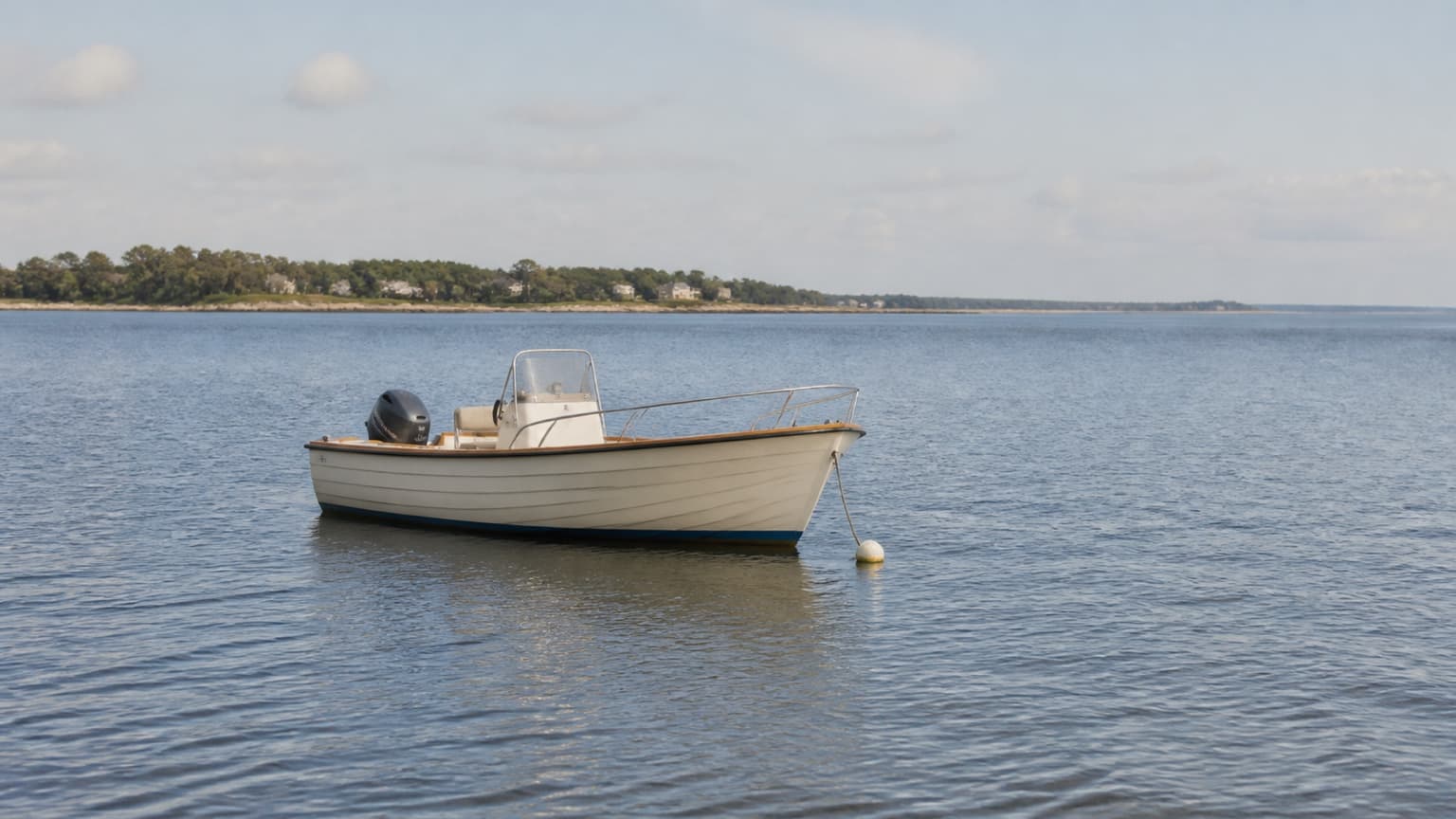
Connecticut changed its boating laws just before Memorial Day weekend. Public Act 26-60 was approved on May 20, 2026, and took effect on passage. The rules on Long Island Sound and Connecticut's lakes right now are not the same rules boaters followed last summer.
The act contains several safety provisions. One change speaks directly to a question our office hears after someone is hurt on the water: the person operating the boat was not the person who owns it, so who answers for the injury?
Owners Have A New Duty About Who Operates A Personal Watercraft
Connecticut law now prohibits the owner of a personal watercraft, such as a Jet Ski, WaveRunner, or Sea-Doo, from knowingly authorizing or permitting anyone to operate it without the required Certificate of Personal Watercraft Operation. The same rule covers a jetted articulated vessel, or JAV, a water-jet device that can lift or submerge its operator or passenger.
The operator-certification requirement already existed. Before this year, however, the owner prohibition in § 15-140j addressed uncertified operators under sixteen. Public Act 26-60 removed that age limit, so the owner's duty now applies whenever the owner knowingly allows an uncertified person to operate one of these vessels.
Why The Owner Rule May Matter After An Injury
Public Act 26-60 does not automatically make an owner liable or decide who pays for an injury. It creates a safety obligation with its own penalties, but it does not expressly create a separate civil cause of action.
The new rule may still change the negligence analysis. Connecticut's civil jury instructions explain that violating a safety statute can be negligence per se when the injured person is among those the statute was meant to protect and the injury is the kind the statute was meant to prevent. In plain English, the statute may supply the duty and show that it was breached, but that is not the end of the case. The injured person must still prove cause in fact and proximate cause: that the injury would not have occurred without the violation and that the violation was a substantial factor in bringing it about. The injured person must also prove resulting damages.
A separate negligent-entrustment claim may also be available. That claim requires more than proof that the owner gave someone permission. It asks whether the owner had the right to control the vessel and knew or should have known that the person was likely to operate it in a way that created an unreasonable risk of physical harm. A missing certificate may be evidence, but it does not prove negligent entrustment by itself.
The owner's judgment is now part of the case.
Connecticut's Family Boat Rule
Connecticut has a second owner-focused rule that predates this year's changes. The state's family car doctrine extends to motorboats.
Under C.G.S. § 52-182, when the operator of a motorboat is the owner's spouse, parent, or child, the law presumes the boat was being operated as a family boat within the general scope of the owner's authority. The owner then carries the burden of rebutting that presumption by proving that the family member did not have the necessary authority to operate the boat.
Why does that matter? If the owner does not rebut the presumption and the family member negligently causes an injury, Connecticut's civil jury instructions provide that the owner may be held liable to the same extent as the operator. This is a form of vicarious liability. The injured person does not have to prove that the owner personally operated the boat or was personally negligent, but must still prove the operator's negligence, causation, and resulting damages.
The rule does not create a second set of damages or increase what the injury is worth. Instead, it may make the owner another person responsible for the same proven losses, including medical expenses, lost income, pain and suffering, and property damage. That can also matter when identifying whether a boat, homeowner's, or umbrella policy may provide coverage. Coverage depends on the language of the particular policy.
The statute directly raises the presumption for an owner's spouse, parent, or child. When the operator is a friend, cousin, or someone else, the family relationship does not create that direct presumption, but authority, control, negligent entrustment, and other facts may still provide a separate path to owner liability.
The Other 2026 Changes
Three more changes from Public Act 26-60 are worth knowing this season.
First, on a recreational motorboat under power, the operator cannot allow anyone to sit on the gunwale with one or both legs over the outside, or to stand on the gunwale while the boat is underway above slow-no-wake speed. The gunwale is the boat's upper edge. "Underway" means the boat is not anchored, moored, made fast to shore, or aground.
Second, vessels without a valid registration number need contact information. Before a kayak, canoe, paddleboard, or similar unnumbered vessel goes into Connecticut waters, the owner must print or attach current and valid contact information on it. DEEP's free "If Found" sticker is one way to comply. When an empty kayak is found drifting, that information can help rescuers determine whether someone may be in the water.
Third, abandoned-boat fines increased from a range of $300 to $500 to a range of $750 to $1,000, and state or municipal law enforcement can now recover more of the cost of removing an abandoned vessel.
Why Boat Cases Are Harder Than Car Cases
An injury on the water raises the same basic questions as an injury on I-95: who was careless, what did it cost, and what insurance exists. Getting the answers can be harder for three practical reasons.
Connecticut DMV's listed vessel-registration requirements do not include proof of liability insurance. Coverage may still exist through a boat policy, a homeowner's policy, or an umbrella policy, but finding what exists takes work. We wrote recently about what happens when the available insurance money is not enough to go around. On the water, that problem may arrive sooner because there may be no applicable policy.
The reporting process is also different. C.G.S. § 15-149a requires the operator to notify the nearest law-enforcement agency immediately and submit a written report to DEEP within 48 hours when an accident causes a death, disappearance, or injury requiring medical attention. An accident causing more than $500 in total property damage must be reported within five days. DEEP's reporting guidance makes clear that a law-enforcement report does not replace the operator's report.
The evidence floats away. Boats scatter within minutes, witnesses leave by water, and there are no skid marks on the Sound. If you are physically able, photograph the vessels and their registration numbers, get names and phone numbers before boats leave, and note who was operating each vessel and whether they held the required certificate. That last question matters more than it did last season.
The Limits Of The New Rules
The new statute does not remove the injured person's conduct from the analysis. In a Connecticut negligence action, § 52-572h reduces damages by the injured person's share of negligence and bars recovery if that negligence is greater than the combined negligence of the people from whom recovery is sought. An accident on navigable water may also raise federal maritime-law questions, even when recreational boats are involved. In Foremost Insurance Co. v. Richardson, the United States Supreme Court held that federal admiralty jurisdiction can reach a collision between recreational boats on navigable water. The location and activity matter.
Insurance coverage is policy-specific. Whether a homeowner's policy reaches a jet ski, or an umbrella policy reaches a boat, depends on the language of the particular policy.
Summer injury claims have their own rhythms. Our post on why summer is riskier for New Haven pedestrians and bicyclists makes a similar point about the season on land.
If You Were Hurt On The Water This Summer
The season winds down after Labor Day, and so does the evidence. Boats come out of the water, seasonal witnesses go home, and the question of who allowed whom to operate a vessel gets harder to answer with every week.
If you were injured in a boating incident on Long Island Sound or a Connecticut lake this summer, contact our personal injury office for a free consultation. We can help identify who may be responsible, what insurance exists, and what evidence needs to be preserved before the season ends. Call 203-865-3123.
Frequently Asked Questions
- Is the boat owner responsible if someone else was driving?
- Sometimes. Public Act 26-60 now prohibits a personal watercraft owner from knowingly letting a person without the required certificate operate it. A separate statute, C.G.S. § 52-182, presumes that a motorboat operated by the owner's spouse, parent, or child was being used as a family boat with the owner's general authority. If the owner does not rebut that presumption and the family member negligently causes an injury, the owner may be held liable to the same extent as the operator for the same proven damages. The injured person must still prove the operator's negligence, causation, and resulting damages, and any available insurance depends on the particular policies.
- Do jet ski operators need a license in Connecticut?
- They need the required boating certificate. Connecticut calls it a Certificate of Personal Watercraft Operation, not a driver's-style license. A certificate from a state Connecticut recognizes also qualifies. DEEP's current guidance identifies the recognized certificates and age restrictions. Public Act 26-60 now prohibits an owner from knowingly allowing a person without the required certificate to operate the personal watercraft.
- Can you sit on the edge of a boat in Connecticut?
- Sitting on the gunwale, meaning the boat's upper edge, is not always prohibited. Under Public Act 26-60, when a recreational motorboat is under power, the operator may not allow a person to sit on the gunwale with one or both legs over the outside, or to stand on the gunwale while the boat is underway above slow-no-wake speed. A boat that is anchored or moored is not underway.
- Is there insurance for boating accidents?
- Sometimes, but not automatically. Connecticut DMV's listed vessel-registration requirements do not include proof of liability insurance. A boat policy, homeowner's policy, or umbrella policy may apply depending on the vessel, the owner, and the policy language. Identifying every policy that might respond is one of the first jobs in a Connecticut boating injury case.
- What should I do after a boating injury in Connecticut?
- Get medical care first. Then, if you are able, identify the vessels and operators before the boats scatter, photograph registration numbers and the scene, and collect witness names and phone numbers. Connecticut law requires immediate notice to law enforcement and a written DEEP report within 48 hours when an accident causes a death, disappearance, or injury requiring medical attention. More than $500 in total property damage must be reported within five days.
This article provides general information, not legal advice for a particular case. Reading it does not create an attorney-client relationship.